
Planning a Gentle Countryside Walk for All Ages
There is a particular kind of magic in an autumn hedgerow. The leaves are turning, the air smells of damp earth and woodsmoke, and the branches are heavy with fruit that costs nothing but a little time and a sharp eye. For anyone who loves rural countryside living, foraging blackberries and sloes is one of the simplest and most rewarding traditional skills you can learn. It connects you to the seasons, fills your freezer and your drinks cabinet, and gets you out into the fresh air on those crisp, bright days that make autumn so special.
But there is a right way and a wrong way to go about it. Pick too early and you will be disappointed by mouth-puckering sourness. Pick too late and the birds will have beaten you to it. Here is how to make the most of the hedgerow harvest, from the first blackberry to the last sloe.
The Hedgerow Larder in Autumn
By late August and into September, the hedgerows of the British countryside are at their most generous. Blackberries, sloes, elderberries, rosehips and hazelnuts all ripen in succession, offering a free larder for anyone willing to look. The key is to treat the hedgerow as a garden you did not plant but must tend with respect. That means leaving plenty for the wildlife, never stripping a bush bare, and avoiding any fruit that grows lower than knee height, where dogs may have been.
Traditional foraging is not about greed. It is about reading the landscape. A hedgerow that has been left to grow thick and tangled will always be more productive than one flailed to within an inch of its life. If you are lucky enough to manage a hedge on your own land, cutting it on a three-year rotation will give you far better fruit and far more nesting habitat for birds.
Picking Blackberries: Dry Days and Dark Fruit
Blackberries are the gateway drug of foraging. They are easy to identify, abundant, and delicious. But the difference between a mediocre blackberry and a superb one is all in the timing and the weather.
- Pick on a dry day. Rain dilutes the flavour and makes the fruit mushy. Wait at least a day after heavy rain, ideally two.
- Look for dull, dark fruit. A ripe blackberry is almost black, with a dull sheen rather than a shiny gloss. If it comes away from the core with a gentle tug, it is ready. If it resists, leave it.
- Avoid low-hanging fruit. Anything below knee height may have been visited by dogs or foxes. Pick from waist height and above.
- Use a shallow container. Deep tubs crush the fruit. A mushroom basket or a wide bowl lined with a tea towel is ideal.
- Check for maggots. A small white grub sometimes lurks inside. A quick soak in salted water will send them floating, but if you are planning to eat them raw, inspect each berry.
Blackberries freeze beautifully. Spread them on a tray, freeze until solid, then bag them up. That way you can enjoy a taste of September in the depths of January.
Sloes: Wait for the First Frost
Sloes are the fruit of the blackthorn, those spiny shrubs that line country lanes and burst into white blossom in early spring. The berries look like small, dusty blue-black plums. They are impossibly astringent when raw, but transformed by frost and time, they become the backbone of sloe gin and a wonderful addition to jams and jellies.
The old rule is simple: do not pick sloes until after the first frost. The cold breaks down the fruit's tannins, softening the sharpness. If an early frost does not arrive, you can mimic it by freezing the berries overnight before using them. But picking before frost is a waste of a good sloe.
When you do pick, look for berries that are fully coloured and slightly soft to the touch. They should come away easily from the thorny branches. Wear gloves and long sleeves — blackthorn scratches are notorious for going septic. A walking stick or a hooked stick can help pull high branches down without damage.
In the Kitchen: Crumbles, Jams and Sloe Gin
The hedgerow harvest is best enjoyed slowly. Blackberries shine in a simple crumble, where their tartness cuts through sweet, buttery topping. Mix them with a chopped apple or two for body, add a spoonful of sugar, and bake until bubbling. Serve with custard or clotted cream.
For jam, blackberries need a little help from lemon juice to set properly. Sloes, on the other hand, are rich in pectin and make a superb jelly that is dark, ruby-red and intensely flavoured. Spread it on warm toast or use it to glaze roast venison or duck.
And then, of course, there is sloe gin. The traditional method is simple: fill a clean jar with pricked sloes, add sugar to taste (about 250g per 70cl bottle of gin), and top up with a decent but not expensive gin. Shake daily for the first week, then weekly for three months. Strain and bottle. The result is a warming, almond-scented liqueur that makes a wonderful Christmas gift. It also improves with age, so make more than you think you need.
Foraging with Care: Wildlife and Etiquette
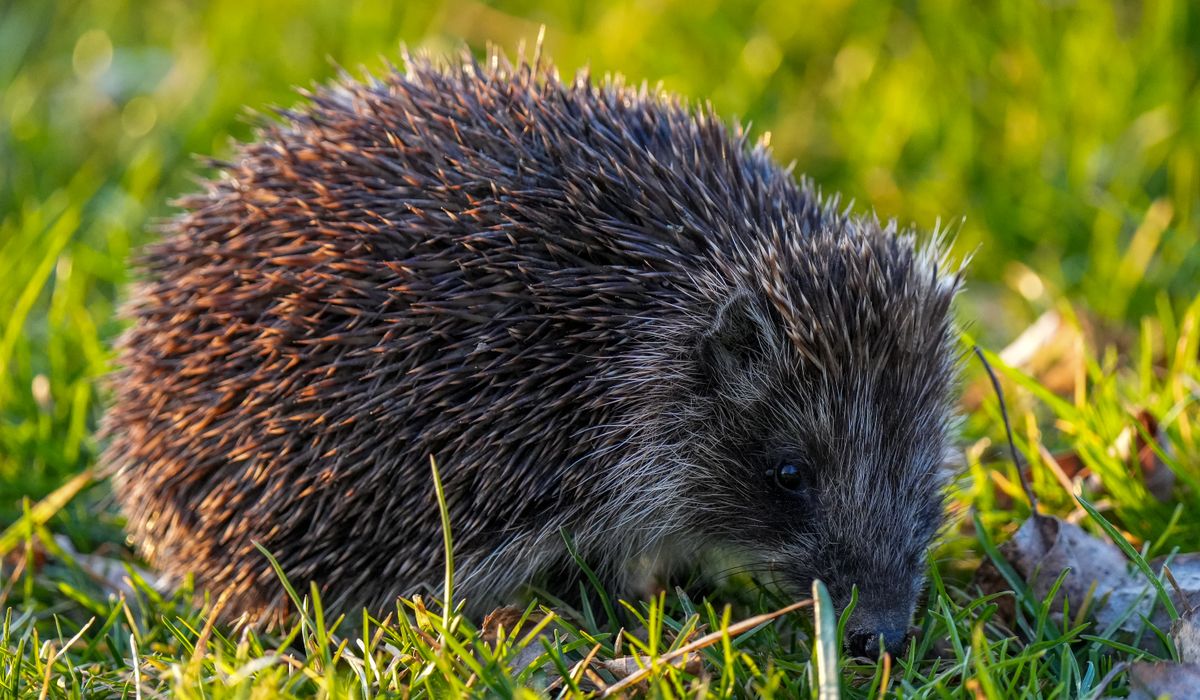
Every hedgerow is a home. Before you pick, take a moment to observe. Are there birds nesting? Are there signs of dormice or hedgehogs? Leave at least half the fruit on any bush, and never break branches to reach a cluster. If you are on private land, ask permission. If you are on a public footpath, stick to the path and do not trespass into fields.
Wildlife gardening and foraging go hand in hand. The more you understand about what grows in your local hedgerows, the better you can manage your own patch for wildlife. Plant native species like hawthorn, blackthorn and hazel. Leave ivy to flower in late autumn, when it is a vital source of nectar for bees and butterflies. And always remember that a hedgerow left slightly wild is a hedgerow that will feed you, and the birds, for years to come.
So pull on your boots, grab a basket, and head out on the next dry, bright morning. The blackberries are waiting. The sloes will be ready after the first frost. And the quiet satisfaction of turning a hedgerow harvest into something delicious is one of the great traditional skills worth keeping alive.
LEAVE A COMMENT